Category: Health & Science

  • Infants’ brain development is not impacted by mild COVID during pregnancy

    Infants’ brain development is not impacted by mild COVID during pregnancy

    Based on findings from a thorough evaluation of brain development, Columbia researchers have discovered that children born to mothers who have mild or asymptomatic COVID during pregnancy are normal.

    The results build on a smaller study that examined the development of infants born in New York City duaring the pandemic’s first wave using mother reports. According to that study, there were no differences in the brain development of infants exposed to COVID in utero compared to those who were not.

    In order to make the new study COVID-safe, the researchers created a technique for watching newborns remotely and modified a developmental evaluation tool that is generally used in-person (babies were assessed between March 2021 and June 2022). Researchers looked at 407 newborns aged between and 11 months old from New York City, Salt Lake City, Utah, and Birmingham, Alabama, respectively. In total, approximately one-third of the babies were born to moms who had COVID while they were expecting them.

    Each of the participating families received the same collection of baby toys and food items prior to the examination so that the researchers could uniformly monitor and compare the infants’ fine and gross motor skills. Language and cognitive abilities were also evaluated by the researchers. They were unaware of whose infants had been prenatally exposed to COVID.

  • What are the likelihood and frequency of adverse events in CBD-using epilepsy patients?

    What are the likelihood and frequency of adverse events in CBD-using epilepsy patients?

    Epilepsy is a prevalent neurologic condition that affects 67 persons per 100,000 people annually. Even though epilepsy is curable, in roughly one-third of instances, surgical procedures do not prevent seizures in epileptic patients, necessitating the development of new, complementary therapy.

    The use of CBD in various severe epilepsy types, such as Dravet and Lennox-Gastaut syndromes, has been authorized by the European Medicines Agency (EMA) and the United States Food and Drug Administration (US-FDA).

    Although previous studies have looked at the effectiveness and safety profile of CBD, systematic reviews that identify adverse events (AEs) associated with its usage in epileptic patients or address the shortcomings of previously published reviews are lacking.
    In the present study, researchers extensively searched databases, such as PubMed and the Web of Science, for articles reporting AEs following CBD treatment. They manually searched for grey literature on Google Scholar and previous systematic reviews for additional eligible articles.

    An extensive search of backward and forward citations helped researchers discover additional qualified studies from included studies. The search continued from the database inception date till August 4, 2022.

    The team removed duplicates (if any) in EndNote, version 20. First, two authors independently skimmed through each article’s title and abstract and reviewed their full texts. They resolved discrepancies (if any) through a discussion with other authors.

    Two other independent reviewers extracted all the basic data from each article in the study. Notably, they included randomized clinical trials (RCTs) evaluating a minimum of one AE related to CBD use in epileptic patients.

  • Dr. Francis Collins’ reflections on the 20th anniversary of the Human Genome Project are titled “The Wonder of DNA.”

    Dr. Francis Collins’ reflections on the 20th anniversary of the Human Genome Project are titled “The Wonder of DNA.”

    National DNA Day, a day of awareness commemorating the discovery of the DNA double helix, is observed annually on April 25. But this year is particularly significant since it marks both the 20th anniversary of the Human Genome Project’s completion and the 70th anniversary of the discovery of the DNA double helix.

    We spoke with Dr. Francis Collins, the head of the Human Genome Project and former director of the NIH, about his extraordinary career in genetics, from his early scientific interest to his involvement in the Human Genome Project, all the way through to his work in the NIH and White House as a presidential advisor, to demonstrate how far the field of genetics has come since the discovery of DNA’s structure.

    I am Francis Collins. In graduate school, I became interested in the life sciences, studying physical chemistry. I got excited about DNA and realized there were really cool things happening in life science that I had previously ignored because I was focused on simpler questions in physics and chemistry.

    This made me change my direction, which was a bit disruptive to life planning, but it was a good thing. I went to medical school, and there figured out that I was really excited about bringing together the science of the human body, which is medicine with genetics and the study of the DNA molecule.

    Your predominant research focus in genetics is surrounding the genes responsible for diseases. Why did you choose to focus on this particular area of genetics research, and how has the discovery of new genes responsible for various diseases impacted the field of drug discovery and therapeutics?
    For me, the interest in this wonderful molecule, which we are now celebrating the 70th anniversary of its original description, that double helix, was so compelling in this instruction book for human life and all other organisms.

  • Visualizing structural intricacies of the gene regulatory mechanism is made possible by cryogenic electron microscopy

    Visualizing structural intricacies of the gene regulatory mechanism is made possible by cryogenic electron microscopy

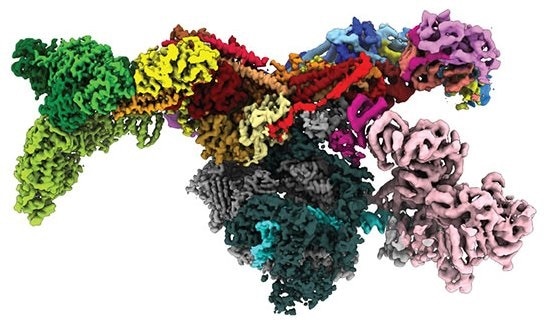
    Numerous proteins bind to the DNA molecule in the cell nucleus to control the activity of specific genes. The TATA-box binding protein (TBP), which binds to a particular DNA sequence and acts as the initial signal for reading DNA, is one example. An enzyme known as Mot1 is used to “recycle” incorrectly bound TBP from the DNA. The Swi2/Snf2 remodelers, a broad family of molecular machines that utilise the ATP energy to disrupt protein-DNA interactions, includes this enzyme.

    Researchers at LMU under the direction of Professor Karl-Peter Hopfner, Director of the Gene Center Munich, have now developed a comprehensive description of this previously poorly understood displacement mechanism. The researchers created several “snapshots” of the remodeling using cryogenic electron microscopy.

    This process shows the varied workings of the Swi2/Snf2 remodeler family: all members have the same motor, but use it differently, whether it is to repackage DNA or – as in the case of Mot1 – to completely detach proteins from DNA. In the future, the researchers want to apply the acquired knowledge also to more complex Swi2/Snf2 molecular machines, which play a role in processes such as carcinogenesis or the development of neurons.

  • How do dormant, sleeping microorganisms become active again?

    How do dormant, sleeping microorganisms become active again?

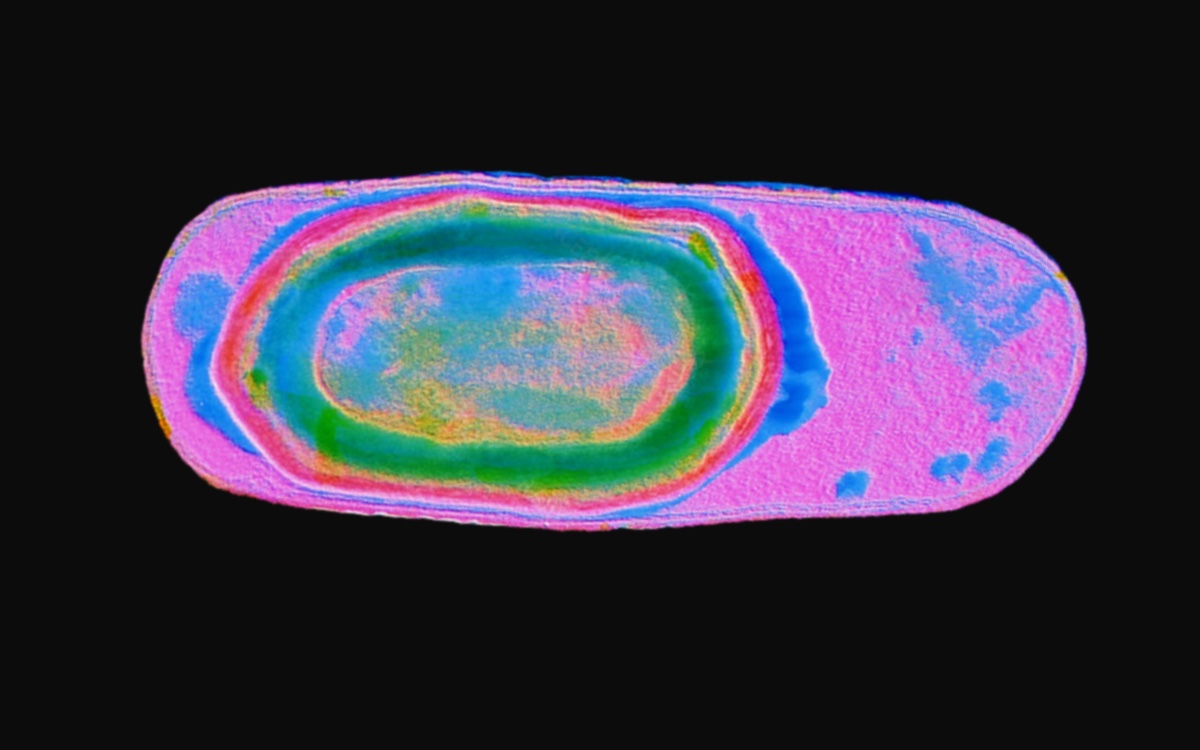
    Researchers at Harvard Medical School have solved a mystery that has baffled biologists since bacterial spores, or inert, sleeping bacteria, were first described more than 150 years ago. They have found a new type of cellular sensor that enables spores to detect the presence of nutrients in their environment and rapidly spring back to life.

    It turns out that these sensors also function as membrane channels; they are closed during dormancy but quickly open in response to the presence of nutrients. After years or even centuries of dormancy, the channels become open and allow electrically charged ions to pass through the cell membrane, triggering the shedding of protective spore layers and the activation of metabolic functions.

    The team’s results, which were released on April 28 in Science, may provide the design of ways to prevent dangerous bacterial spores from lying dormant for months, even years, before waking up again and causing outbreaks.To survive adverse environmental conditions, some bacteria go into dormancy and become spores, with biological processes put on hold and layers of protective armor around the cell.

    These biologically inert mini fortresses allow bacteria to wait out periods of famine and shield themselves from the ravages of extreme heat, dry spells, UV radiation, harsh chemicals, and antibiotics.

    For more than a century, scientists have known that when the spores detect nutrients in their environment, they rapidly shed their protective layers and reignite their metabolic engines. Although the sensor that enables them to detect nutrients was discovered almost 50 years ago, the means of delivering the wake-up signal, and how that signal triggers bacterial revival remained a mystery.

    In most cases, signaling relies on metabolic activity and often involves genes encoding proteins to make specific signaling molecules. However, these processes are all shut off inside a dormant bacterium, raising the question of how the signal induces the sleeping bacteria to wake up.

  • A study explains the process by which a protein with a BAR domain assembles into oligomers

    A study explains the process by which a protein with a BAR domain assembles into oligomers

    By acting as containment structures and dividing the intracellular region from the external environment, cell membranes serve a crucial role. Proteins having unique functional units are essential for promoting interactions between proteins and membranes. For instance, proteins with “Bin-Amphiphysin-Rvs” (“BAR”) domains are important in controlling the curvature of cell membranes. Endocytosis and cell motility are two biologically significant processes that are made possible by the physical bending of cell membranes. Although BAR proteins form highly organized oligomeric units that cause membrane curvature, the exact mechanism that controls this behavior is still completely unclear.

    Recently, a study conducted by scientists in Japan identified the mechanism governing the oligomeric assembly of a protein with a BAR domain on membrane surfaces. Shiro Suetsugu served as the study’s principal investigator, and WanNhung Thi Hong Nguyen and Nurul Izzati Wan Mohamad Noor are both scientists of the Nara Institute of Science and Technology (NAIST).

    Suetsugu comments on the work, saying, “It is challenging to evaluate the assembly of the relatively few oligomeric BAR domains on thin membrane tubules. Because oligomeric GAS7 protein assembles into larger than the others, we used fluorescence resonance energy transfer monitoring to study the oligomeric assembly of the protein.

    Fluorescence resonance energy transfer, or FRET, was used by the researchers to clarify the process underlying the assembly of GAS7 on membrane surfaces. In order to track the scope and time of GAS7 assembly, the researchers used fluorescent protein tags to designate GAS7b units. Fluorescence emission was seen, which showed that GAS7 had assembled on lipid.

  • Children with COVID 19-linked multisystem inflammatory disease have a certain biomarker signature, according to a study

    Children with COVID 19-linked multisystem inflammatory disease have a certain biomarker signature, according to a study

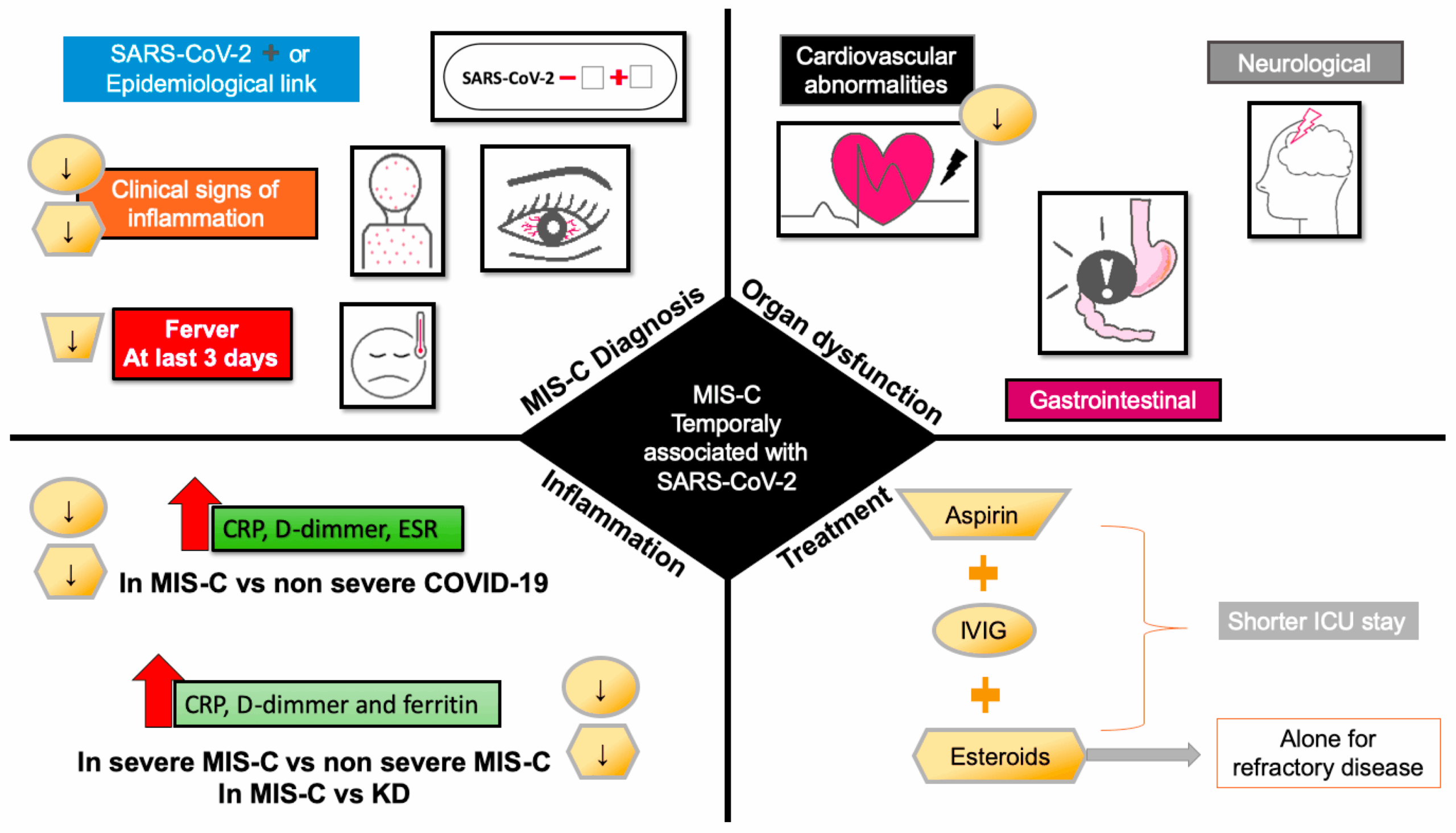
    According to a study supported by the National Institutes of Health, children with multisystem inflammatory syndrome (MIS-C), a rare illness connected to the virus that causes COVID-19, show unique biochemical signs of cell damage and death. Children with MIS-C have biomarkers that indicate damage to several organs, the lining of blood vessels, and the neurological system, according to research using high-speed, artificial intelligence-controlled molecular sequencing of blood and plasma RNA and plasma DNA. After SARS-CoV-2 infection, MIS-C often develops two to six weeks later and causes inflammation of the heart, lungs, kidneys, brain, skin, eyes, or gastrointestinal tract.

    416 blood samples from 237 participants were evaluated as part of the study. They were able to discriminate between patients with MIS-C thanks to their analysis.COVID-19, too. They believe that by allowing clinicians to discriminate between MIS-C and other illnesses involving extensive inflammation, like Kawasaki disease, septic shock, and severe COVID-19, their findings may help to create diagnostic tools and more effective treatments for each.

    Charles Y. Chiu, M.D., of the University of California, San Francisco, and associates from a number of other institutions carried out the study. It is published in Cell Reports Medicine and was supported by the Eunice Kennedy Shriver National Institute of Child Health and Human Development (NICHD) of the NIH.

    No major side effects, such as myocarditis or a recurrence of MIS-C after the injection, were reported in children and adolescents who got a COVID-19 immunization after MIS-C, according to a prior study. Everyone should remain awake to date with COVID-19 vaccines for their age group, as the U.S. Centers for Disease Control and Prevention recommends, regardless of whether they have been infected with the virus.

  • People differ greatly in their gastrointestinal anatomy, according to a research

    People differ greatly in their gastrointestinal anatomy, according to a research

    People are frequently reminded that they are their own distinct person, and a recent study claims that the digestive tract is one area where this is especially true.

    Even among a small group of persons, the gastrointestinal anatomy of a few dozen dissected corpses varied noticeably.

    Some people had larger livers, while others had longer intestines and colons. There were significant differences between males and women.

    According to the experts, some organs were even placed in the incorrect location.

    Erin McKenney, the study’s lead author and an assistant professor of applied ecology at North Carolina State University in Raleigh, said, “I almost missed one guy’s appendix because it was growing off the back of the cecum [the pouch that makes up the first part of the large intestine] instead of the front.” “I would have completely missed it if I hadn’t flipped it over and looked in the least likely spot.”

    According to the researchers, these variations in anatomy have significant ramifications for both doctors and patients.

    Individual human digestive systems are very different from average, the study revealed, despite the fact that surgery, medical treatments, and even lifestyle decisions like nutrition are frequently designed to best serve a “average” person.

  • Is there a connection between female reproductive system abnormalities and psychiatric conditions?

    Is there a connection between female reproductive system abnormalities and psychiatric conditions?

    Researchers recently conducted a meta-analysis in a study that was published in the journal JAMA Network Open to examine the co-occurrence of reproductive and mental illnesses in women.

    Female reproductive and mental health disorders frequently coexist; however, it is unclear what specifically causes this co-occurrence. The menstrual cycle and non-intrinsic or external factors that affect the reproductive system, such as psychotropic medications, psychosocial factors like reproductive disorders that affect relationships, and stress are among the most likely causes. Additionally, the overlap can have genetic roots.
    Researchers identified a link between female reproductive and psychological functioning in the current meta-analysis.

    The PubMed database was searched for observational-type and peer-reviewed studies (population-level cross-sectional and case-control studies) evaluating the prevalence of mental health disorders among females with genital tract dysfunction and reproductive disorders among women with mental dysfunction, published from January 1980 to December 2019. The study populations included reproductive-age females aged between 13.0 and 55.0 years.

    Female female mental and reproductive diseases were the main study measures and outcomes. Data analysis was done from January through December of 2022. The odds ratios (ORs) were calculated using random-effects modeling. Additionally, the included studies’ heterogeneity and bias were evaluated using I2 statistics and the Egger test, respectively.

    Psychotic disorders were among the psychiatric conditions.

  • The relationship between the gut microbiota and the mitochondria of white adipose tissue in obesity

    The relationship between the gut microbiota and the mitochondria of white adipose tissue in obesity

    The fundamental molecular basis of adiposopathy is still not fully understood, despite the fact that more evidence has been obtained over the past few decades.

    Dysregulation of adipose tissue (AT) plays a significant role in the pathogenesis of obesity and its cardiometabolic side effects. The metabolism and operation of both white (WAT) and brown (BAT) adipose tissue (BAT) have been shown to be significantly regulated by mitochondria in this context.

    The intracellular organelles known as mitochondria manage energy generation and undergo incredibly dynamic adaptive changes in response to shifting environmental conditions.

    Adipose tissue that is brown and white.
    It has gained the title of an endocrine organ due to its major influence on the regulation of metabolism through the release of hormones and cytokines.

    Brown adipose tissue (BAT) and white adipose tissue (WAT) are the two main types of adipose tissue that can be distinguished by variations in cell structure, histology, amount, anatomic position, and function. The primary anatomical locations of WAT are the visceral district and subcutaneous adipose tissue (SAT).

    Ectopic fat deposits can penetrate skeletal muscle, arteries, and the heart in addition to SAT and WAT. These deposits play a significant role in the development of obesity issues despite their smaller amounts.

    BAT makes up a little percentage of total body weight. While still present in the supraclavicular region and in trace levels around the major vessels in the paravertebral and mediastinal regions, the quantity is greater in newborns, tends to drop in adults, and is greater in infants.

    Triglycerides, which it can release later when there is a high demand for energy, allow it to retain surplus energy.